
The Ultimate Guide to Tyre Maintenance, Safety, and Performance in Shrewsbury
The Ultimate Guide to Tyre Maintenance, Safety, and Performance in Shrewsbury
Your tyres are the single most critical point of contact between your vehicle and the road. Despite carrying the entire weight of your car, surviving thousands of miles of friction, and keeping you safe around wet country bends, tyres are often one of the most overlooked components of vehicle maintenance.
Whether you drive a daily commuter car, a family car, or a light commercial vehicle around Shrewsbury and the surrounding Shropshire roads, staying proactive with tyre care isn't just about passing your annual MOT, it is essential for road safety, optimal fuel economy, smooth handling, and saving money over the life of your vehicle.
In this comprehensive guide, we'll dive into everything you need to know about tyre care: why tyres are vital, how to inspect them, when to schedule professional checks, and the significant benefits of timely tyre replacement.
1. Why Your Tyres Matter More Than You Think
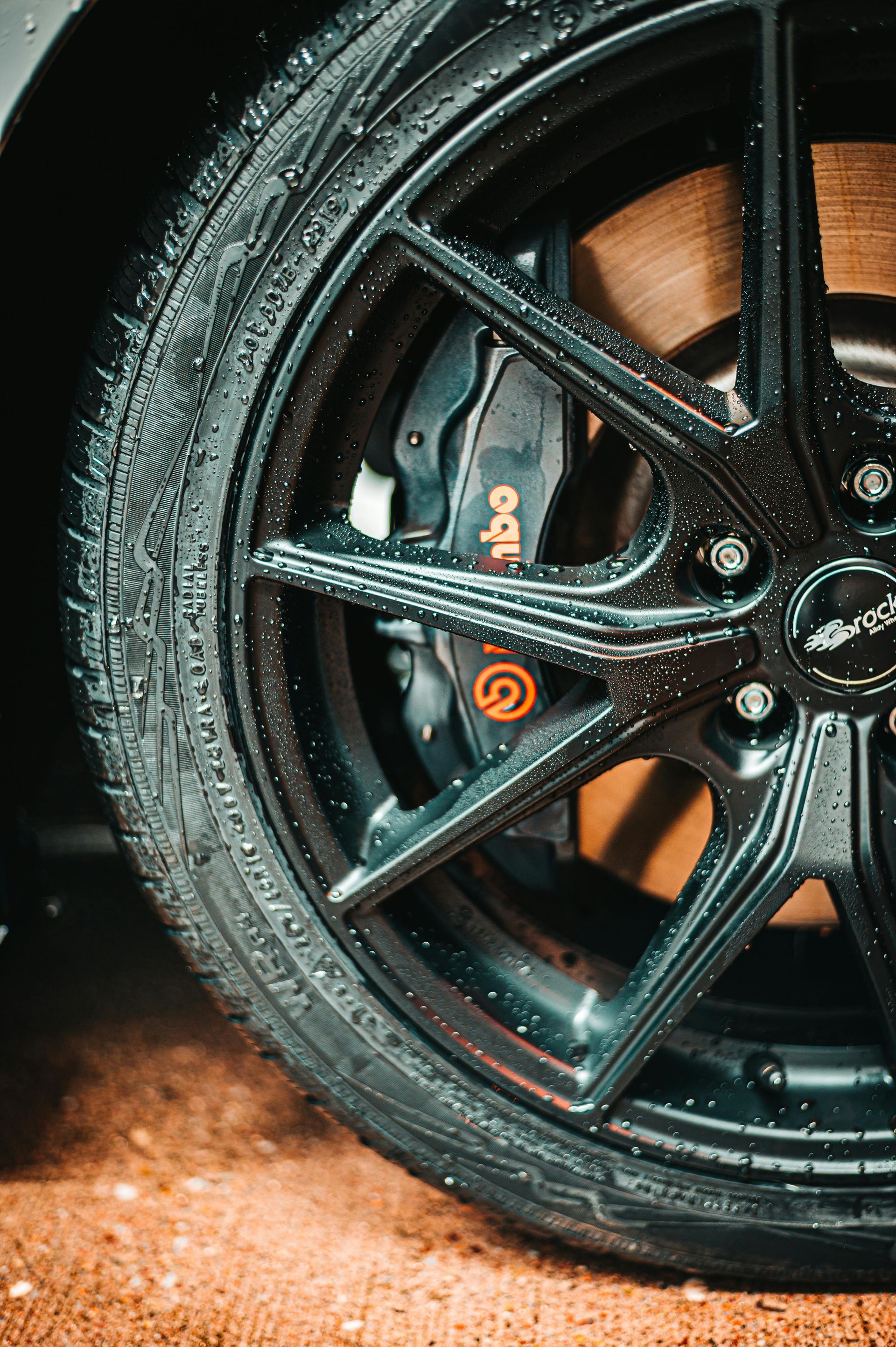
To understand why tyre maintenance is so vital, it helps to consider what tyres actually do. On average, the patch of rubber contacting the road for each tyre is no larger than the palm of an adult hand. Those four small patches of rubber bear the entire responsibility for steering, braking, cornering, and acceleration.
Key Functions of Quality Tyres:
• Grip and Traction: Your tyres are engineered with complex tread patterns and rubber compounds designed to channel away water, grip bitumen, and maintain traction across diverse weather conditions, from heavy summer downpours to icy winter mornings.
• Braking Efficiency: Even the most advanced braking systems in high-performance vehicles are limited by tyre grip. Worn or improperly inflated tyres dramatically increase stopping distances, especially on wet roads.
• Vehicle Handling and Control: Precision handling, responsive steering, and cornering stability depend entirely on balanced pressure, healthy tread depth, and accurate wheel alignment.
• Ride Comfort and Shock Absorption: Air-filled rubber tyres serve as the first line of defence against road impacts, dampening vibrations from bumps and potholes before they reach your suspension system.
• Fuel Economy: Tyres directly affect rolling resistance. Optimally inflated and aligned tyres allow your vehicle to move smoothly, reducing fuel consumption and lower carbon emissions.
2. The Anatomy of a Healthy Tyre: Essential Checks
Conducting regular DIY checks between professional garage visits is the best way to catch wear early and prevent dangerous road incidents. Here are the core areas every driver should inspect monthly:
A. Tread Depth and the Legal Limit
In the UK, the legal minimum tread depth for cars and light commercial vehicles is 1.6mm across the central three-quarters of the breadth of the tread, around its entire outer circumference. However, safety experts and motoring organizations strongly advise replacing tyres long before they reach this legal minimum—ideally when tread drops to 3mm.
• Why 3mm Matters: Water dispersion capability drops significantly once tread falls below 3mm. On wet roads, a car with 1.6mm tread depth can take up to 44% longer to come to a complete stop compared to one with 8mm of new tread.
• The 20p Test: An easy way to check tread depth at home is using a 20p coin. Insert the coin into the main tread grooves of your tyre. If the outer band of the 20p coin is obscured, your tread is likely above the legal limit. If you can see the outer rim of the coin, your tyres may be illegal and unsafe, requiring immediate inspection by a professional mechanic.
B. Tyre Inflation Pressure
Running tyres on incorrect air pressure—either over-inflated or under-inflated—negatively impacts vehicle performance and causes uneven wear:
• Under-Inflation: Causes excessive friction on the outer shoulders of the tread, leads to overheating, reduces fuel efficiency, and increases the risk of a high-speed blow-out.
• Over-Inflation: Reduces the contact patch with the road, leading to rapid wear in the center of the tread, harsh ride quality, and reduced braking performance.
Check your tyre pressures at least once a month when the tyres are cold (before driving long distances), using the recommended PSI or Bar values found in your vehicle handbook, fuel filler door, or driver’s side door pillar.
C. Sidewall Integrity and Damage Inspection
Regularly inspect the inner and outer sidewalls for visible signs of damage, such as:
• Bulges or Blisters: Indicate structural damage to the inner carcass of the tyre, usually caused by hitting potholes or curbs. A bulging tyre can burst at any time and must be replaced immediately.
• Cracks and Perishing: Often caused by age, UV exposure, or environmental degradation. Cracking compromises rubber strength.
• Cuts and Punctures: Objects like nails, screws, or glass can embed themselves in the tread. While tread punctures can often be repaired safely, sidewall punctures cannot and require complete tyre replacement.
3. Professional Tyre Services: Maintenance for Longevity
While routine visual checks are easy to perform at home, professional garage equipment is necessary to maintain precise mechanical balance and alignment.
| ESSENTIAL TYRE CARE | |
|---|---|
| WHEEL BALANCING | WHEEL ALIGNMENT |
| Eliminates steering vibration, protects suspension parts. | Corrects angle and tracking, prevents premature inner/outer edge wear. |
Wheel Balancing
Whenever new tyres are fitted, or if you feel a distinct vibration in the steering wheel or car seat at motorway speeds, wheel balancing is required. Small weight imbalances around the wheel assembly cause uneven rotational forces. Professional wheel balancing places tiny weights on the rim to ensure smooth rotation, preventing premature suspension wear and irregular tyre cupping.
Wheel Alignment (Tracking)
Shropshire’s rural roads, speed bumps, and unexpected potholes can easily knock your wheels out of alignment. Misaligned wheels mean your tyres are dragging slightly sideways rather than rolling straight ahead.
• Signs of Misalignment: The car pulls or drifts to one side on a straight road, the steering wheel is off-center when driving straight, or tyres show rapid, uneven wear on the inner or outer edges.
• The Solution: Precision wheel alignment adjusts the angles of the wheels back to original manufacturer specifications, ensuring maximum tyre lifespan and optimal steering responsiveness.
Puncture Repair
Not all tyre damage requires a costly full replacement. If a puncture occurs within the central tread area and is under 6mm in diameter, a safe, permanent British Standard (BS AU 159) repair can often restore the tyre’s integrity without needing a complete replacement.
4. When Should You Schedule a Professional Tyre Check?
Knowing when to seek expert advice keeps your car compliant, safe, and cost-effective. We recommend scheduling a tyre check under the following circumstances:
- Seasonal Transitions (Spring & Autumn): Checking condition and pressure as weather conditions shift helps maintain safety on wet or icy roads.
- Before Long Journeys: Pre-trip checks prevent highway breakdowns when traveling with full passengers or luggage weight.
- After Impacting Potholes or Curbs: Sudden hard impacts can damage hidden internal cords or throw tracking off instantly.
- When Experiencing Handling Changes: Steering wheel vibration, drifting, or unusual road noise indicate balancing or alignment issues.
- Every 6 Months or 6,000 Miles: Routine inspection catches micro-wear patterns early, allowing for corrective adjustments.
5. Benefits of Timely Tyre Replacement
Delaying replacement to save money often leads to higher overall costs due to poorer fuel efficiency, potential fines, and increased risk of damage or accidents.
Benefits of Timely Replacement
- Shorter Wet Braking Distances & Enhanced Hydroplaning Safety
- Maximum Fuel Economy via Reduced Rolling Resistance
- Smooth, Quiet Performance & Superior Steering Control
- Full Legal Compliance (Avoid 3 Points + £2,500 Fine per Tyre
Modern Tyre Options
• Summer Tyres: Optimized for temperatures above 7°C, delivering high grip and short braking distances on wet and dry roads.
• Winter Tyres: Formulated with silica-rich rubber compounds that remain soft in low temperatures, utilizing deep sipes to grip snow, slush, and ice.
• All-Season Tyres: A versatile hybrid option designed to handle varied weather conditions safely year-round without requiring seasonal changes.
Local Expert Tyre Fitting in Shrewsbury: Auto Tech Direct
When it comes to keeping your car running smoothly and safely on Shropshire roads, partnering with a trusted local garage makes all the difference.
At Auto Tech Direct, our family-run garage based at Upper House Farm in Shrewsbury provides comprehensive, professional tyre services for all makes and models of cars and light commercial vehicles.
Why Choose Auto Tech Direct for Your Tyres in Shrewsbury?
• Comprehensive Care: From new tyre fitting and seasonal swaps to wheel alignment, wheel balancing, and puncture repairs, we handle all your tyre care needs under one roof.
• Quality Stock for All Budgets: We supply and fit a wide range of tyres—from premium brands to mid-range and budget options matched specifically to your vehicle and driving style.
• Precision Equipment: We utilize state-of-the-art balancing and alignment machinery to ensure exact fitment, maximum lifespan, and refined performance.
• Convenient Service: Enjoy fast fitting while you wait in our comfortable waiting area, or drop off your vehicle and collect it when ready.
• Transparent Pricing: Clear, upfront quotes with honest advice and no hidden fees.
Visit Auto Tech Direct Today
Don't wait for an MOT failure or a puncture on the road to evaluate your tyres. Book an inspection or request a quote with our friendly team today.
• Address: Upper House Farm, Shrewsbury
• Phone: 07368 491099
• Email: Enquiries@autotechdirect.co.uk
• Opening Hours: Monday – Friday: 8:30 am – 5:30 pm | Saturday: 8:30 am – 1:00 pm
Legal Disclaimer:
The information provided in this blog is for general informational purposes only and does not constitute professional automotive, legal, or safety advice. While we strive to offer accurate and up-to-date content, we make no warranties or guarantees regarding the completeness, reliability, or suitability of the information. Readers should consult a certified mechanic or relevant professional before taking any action based on this content. Under no circumstances shall we be held liable for any damages, losses, or legal claims arising from the use or misuse of the information presented here.