
What Does Your Car's Oil Do? Guide for Shrewsbury Drivers
Oil! What does it do for your car?
Introduction: The Lifeblood of Your Vehicle
In the landscape of Shropshire, where the demands of daily commuting merge with the rugged topography of the Welsh borders, your vehicle is more than just a convenience, it is a necessity. For residents of Shrewsbury and the surrounding villages, the car bridges the gap between rural living and the bustling town centre. Yet, despite its importance, one critical component remains commonly misunderstood: engine oil.
Often viewed as a simple commodity, a brown fluid poured into the engine and forgotten, motor oil is a marvel of chemical engineering. It is a liquid component as vital as any piston or turbocharger. To understand what oil actually does is to understand how your engine survives the immense requirements of internal combustion. Without it, the modern engine would reduce itself to a seized lump of scrap metal within minutes.
This definitive guide, brought to you by Auto Tech Direct, aims to dismantle the myths surrounding lubrication. By exploring the science of oil and the specific stresses imposed by our local driving environment. From the congestion of the river loop to the gradients of the Shropshire Hills, we will demonstrate why the oil change is the single most important appointment in your vehicle’s calendar as a Shrewsbury driver.
1. The Five Pillars of Protection
To appreciate engine oil, you must appreciate the hostile environment it operates in. Inside your engine, pistons accelerate and stop around 100 times a second, and temperatures can exceed 2,500°C. In this chaos, oil performs five critical functions:
1. Lubrication: The War Against Friction
The most obvious function is lubrication, but it’s not just about making things "slippery." Oil creates a hydrodynamic film that physically separates moving metal parts. Imagine water-skiing: just as the boat's speed lifts the skier onto the water, the spinning crankshaft drags oil into the bearings, creating a high-pressure wedge that lifts the metal shaft so it floats on a cushion of fluid. This prevents metal-to-metal contact and catastrophic wear.
2. Cooling: The Liquid Heat Sink
Your radiator cools the engine block, but it can't reach the deep internal components like pistons and bearings. Oil acts as a thermal conveyor belt, absorbing heat from these "hot zones" and carrying it away to the sump to dissipate. In modern turbocharged cars, oil is actually sprayed onto the underside of pistons to prevent them from melting.
3. Cleaning: The Internal Janitor
Combustion is dirty. It creates soot and carbon. High-quality oil contains detergents and dispersants. Detergents scrub away deposits from piston rings, while dispersants trap soot particles, keeping them suspended in the fluid rather than letting them clump together as sludge. This is why oil turns black, it’s doing its job by holding the dirt until your next oil change.
4. Sealing: Maximizing Power
Oil acts as a dynamic liquid gasket. It fills the microscopic gaps between the piston rings and the cylinder wall. This seal ensures that the force of the explosion pushes the piston down (giving you power) rather than leaking past it. It also prevents oil from entering the combustion chamber and burning.
5. Protection: Fighting Corrosion
Burning fuel produces water vapor and sulfur, which can combine to form sulfuric acid in your engine. Modern oils contain rust and corrosion inhibitors that neutralize these acids, protecting your bearings from chemical attack, a vital function for cars that sit idle or make short trips.
2. Mineral Oil vs. Synthetic Oil: The Ball Pit Analogy
At Auto Tech Direct, we are often asked if synthetic oil is worth the extra cost. The answer lies in the molecular structure.
- Mineral Oil: Imagine a ball pit filled with rocks of all different shapes and sizes. They tumble over each other, but there is friction, and the gaps are inconsistent. This represents mineral oil molecules. They are irregular, contain impurities like wax, and break down quickly under heat.
- Synthetic Oil: Now imagine a ball pit filled with perfectly round, identical marbles. They slide over each other with almost zero friction. This is synthetic oil. Chemically engineered to be uniform, synthetic oil flows freely at -30°C and resists burning off at 300°C. For modern engines, especially those with turbochargers, synthetic oil is not a luxury; it is a requirement.
3. Viscosity Explained: Decoding 5W-30
The numbers on the bottle (e.g., 5W-30) refer to Viscosity—the fluid's resistance to flow.
- The "W" (Winter): The first number (5W) describes how the oil flows when cold. A lower number means thinner oil that flows faster on a frosty Shrewsbury morning. This is crucial because 75% of engine wear occurs at startup before the oil has reached the top of the engine.
- The Second Number (30): This describes the thickness at operating temperature (100°C). Manufacturers choose this based on the tight clearances inside the engine. Using the wrong grade can lead to low oil pressure or oil starvation.
4. The Shrewsbury Factor: Why Local Driving is "Severe Service"
While engine oil science is global, your maintenance needs are local. Driving in Shrewsbury presents a unique set of challenges that place a "severe service" load on your engine.
The Town Centre Loop and Congestion
Shrewsbury’s historic layout, constrained by the River Severn, creates significant congestion. Idling in traffic on Smithfield Road or crawling over the Welsh Bridge causes "heat soak," cooking the oil in your turbocharger. Furthermore, modern Stop-Start systems shut the engine off at every red light. While this saves fuel, it breaks the protective oil film in your bearings hundreds of times a day, relying entirely on the oil’s chemical additives to prevent wear.
The Shropshire Hills
Routes like The Burway (with a 20% gradient) or the climb up Wyle Cop place immense load on your engine at low speeds. The engine is working hard, but the oil pump is spinning slowly. This requires an oil with exceptional film strength to prevent metal parts from touching under the strain.
The Rural Commute and Potholes
Many of our customers commute from rural areas. Short journeys (under 10 miles) often don't allow the engine to get hot enough to boil off condensation in the sump, leading to acid build-up. Additionally, with it sometimes taking over 45 days to repair reported potholes, your suspension takes a beating. While oil protects your engine, our comprehensive service checks ensure your suspension bushings and tyres are surviving the local roads.
5. The Consequences of Neglect
Skipping an oil change is a false economy. Oil degradation is exponential—once the additives are used up, the oil turns from a protector into a destroyer.
- The Sludge Death Spiral: Old oil turns into a thick jelly that blocks oil channels. This leads to oil starvation, which can seize an engine in seconds.
- Timing Chain Stretch: Many modern cars use timing chains lubricated by engine oil. Dirty oil acts as a grinding paste, wearing the chain links until they stretch. This ruins engine timing and can cause the chain to snap, destroying the engine.
- Turbo Failure: Turbochargers spin at 200,000 RPM. If the oil feed is blocked by carbon deposits (coking) from old oil, the turbo will fail—a repair bill that often exceeds £1,000.
6. The Auto Tech Direct Difference
In a market saturated with fast-fit centres, Auto Tech Direct offers a different approach. We are a family-run business in Shrewsbury, and we treat every vehicle as if it were our own.
- Forensic Draining: We check the old oil for debris, using it as a diagnostic tool to catch early signs of engine wear.
- Correct Specification: We don't use generic bulk oil. We use the specific grade and chemical specification (Low SAPS for DPFs, 0W-20 for Hybrids) required by your manufacturer’s warranty.
- Complete Health Check: Because we know the state of local roads, every service includes a check of suspension, brakes, and tyres to keep you safe on the A5 and country lanes alike.
Conclusion: The Cheapest Insurance
Engine oil is an engineering marvel performing a balancing act every second you drive. For Shrewsbury drivers, the combination of stop-start traffic, steep hills, and rural conditions demands high-quality lubrication. A timely service is a fraction of the cost of a new engine.
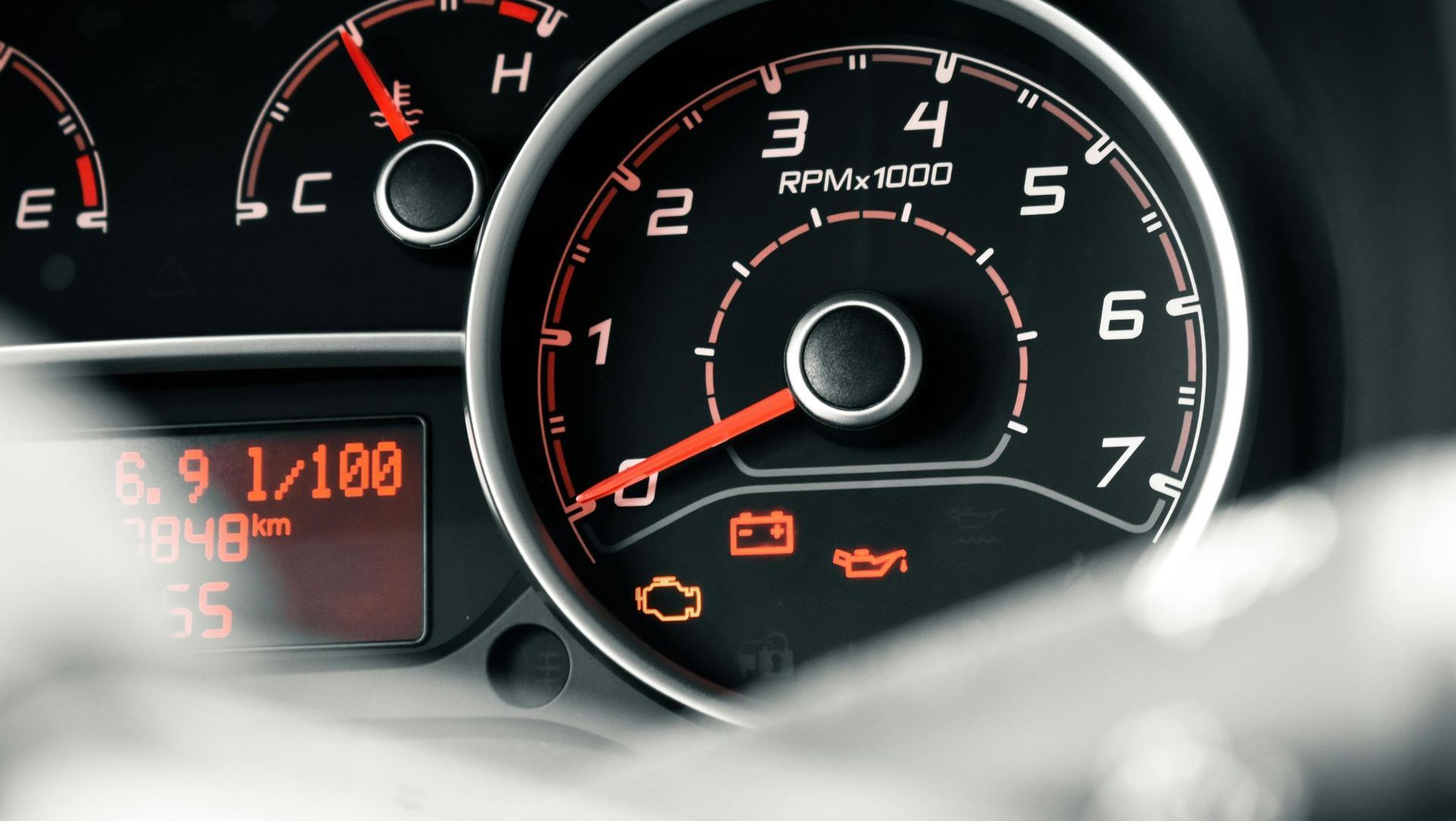
Don't wait for the warning light. Book your service with Auto Tech Direct today and give your car the protection it deserves.
Contact Auto Tech Direct
- Location: Upper House Farm, Alberbury, Shrewsbury, SY5 9AG
- Phone: 07368 491099
- E-mail: Enquiries@autotechdirect.co.uk
Legal Disclaimer:
The information provided in this blog is for general informational purposes only and does not constitute professional automotive, legal, or safety advice. While we strive to offer accurate and up-to-date content, we make no warranties or guarantees regarding the completeness, reliability, or suitability of the information. Readers should consult a certified mechanic or relevant professional before taking any action based on this content. Under no circumstances shall we be held liable for any damages, losses, or legal claims arising from the use or misuse of the information presented here.