Comprehensive Guide to Vehicle Servicing in Shrewsbury
Optimising Performance, Safety, and Longevity
For motorists navigating the diverse road networks of Shrewsbury and the wider Shropshire region, maintaining the mechanical and electronic integrity of a vehicle is a fundamental requirement. The economic realities of vehicle ownership demonstrate that running a car in the United Kingdom costs an average of £3,484 annually. Consequently, preventative vehicle maintenance has emerged as the most mathematically sound strategy for mitigating unexpected, catastrophic repair bills and preserving your cars value.
This exhaustive report explains the various tiers of vehicle servicing, the precise intervals at which they should be executed, and the compounding mechanical and financial benefits of rigorous maintenance. By adhering to manufacturer guidelines and leveraging the expertise of local specialists such as Auto Tech Direct, a highly equipped independent garage based in Shrewsbury, drivers can ensure their vehicles remain safe, efficient, and legally compliant.
The Tiered Architecture of Vehicle Servicing
Vehicle servicing is not a uniform procedure; it is a meticulously structured series of interventions designed to counteract the specific mechanical wear, fluid degradation, and component fatigue a vehicle will experience over both time and mileage. At leading local facilities like Auto Tech Direct, servicing is categorised into four distinct tiers to accurately align with manufacturer specifications and diverse driving profiles.
Interim Service (Interval Service)
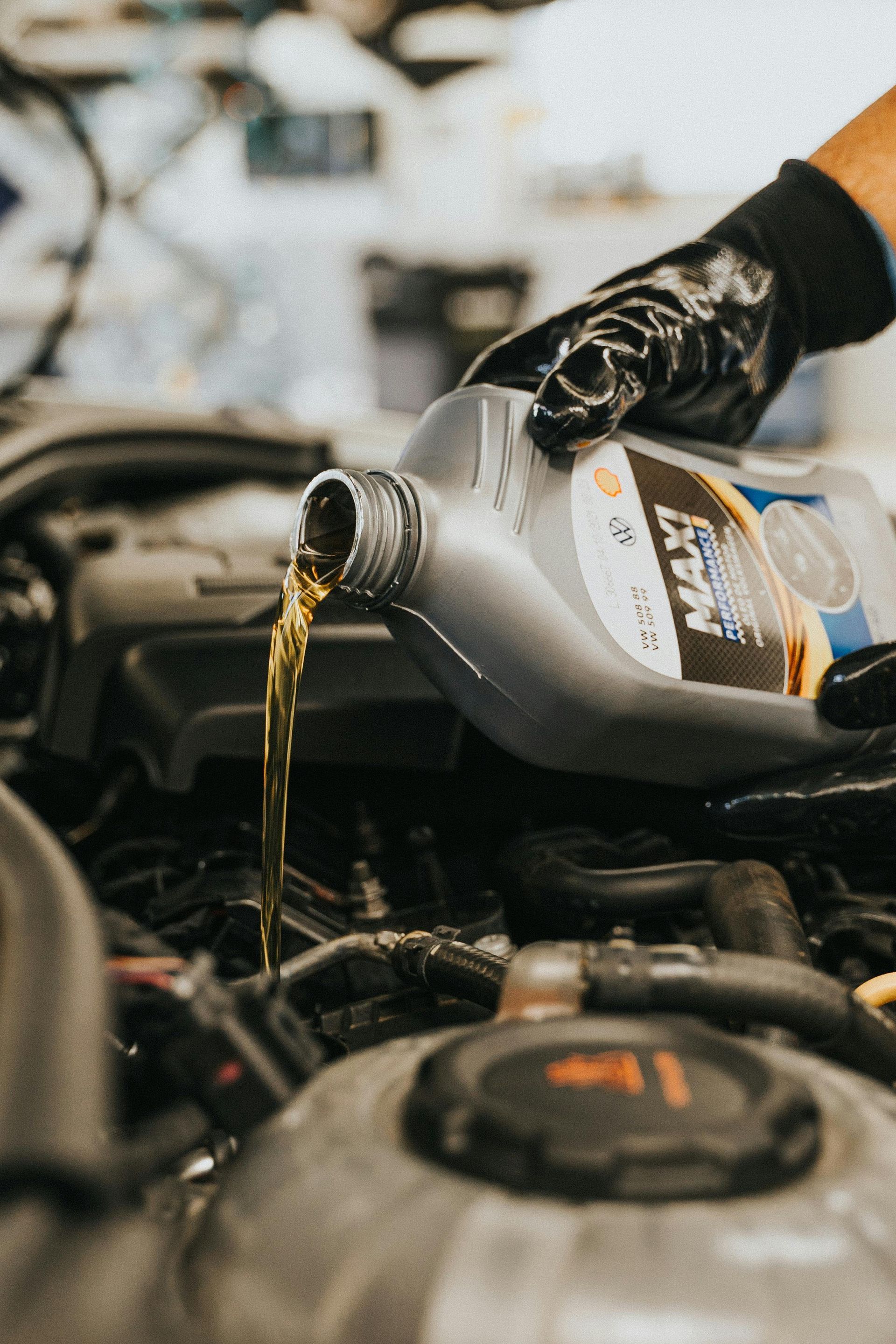
The Interim Service functions as a critical mid-point health check, engineered primarily for high-mileage drivers who exceed 12,000 miles annually, or for vehicles undertaking frequent, short urban journeys. This service isolates the consumables that degrade most rapidly under continuous thermal and mechanical stress. The procedure includes a comprehensive engine oil change, oil filter replacement, and the replenishment of essential fluids such as coolant, power steering fluid, and windscreen wash. Technicians will also conduct vital safety inspections covering tyre tread depth, structural integrity, and brake pad wear.
Full Service (Complete Service)
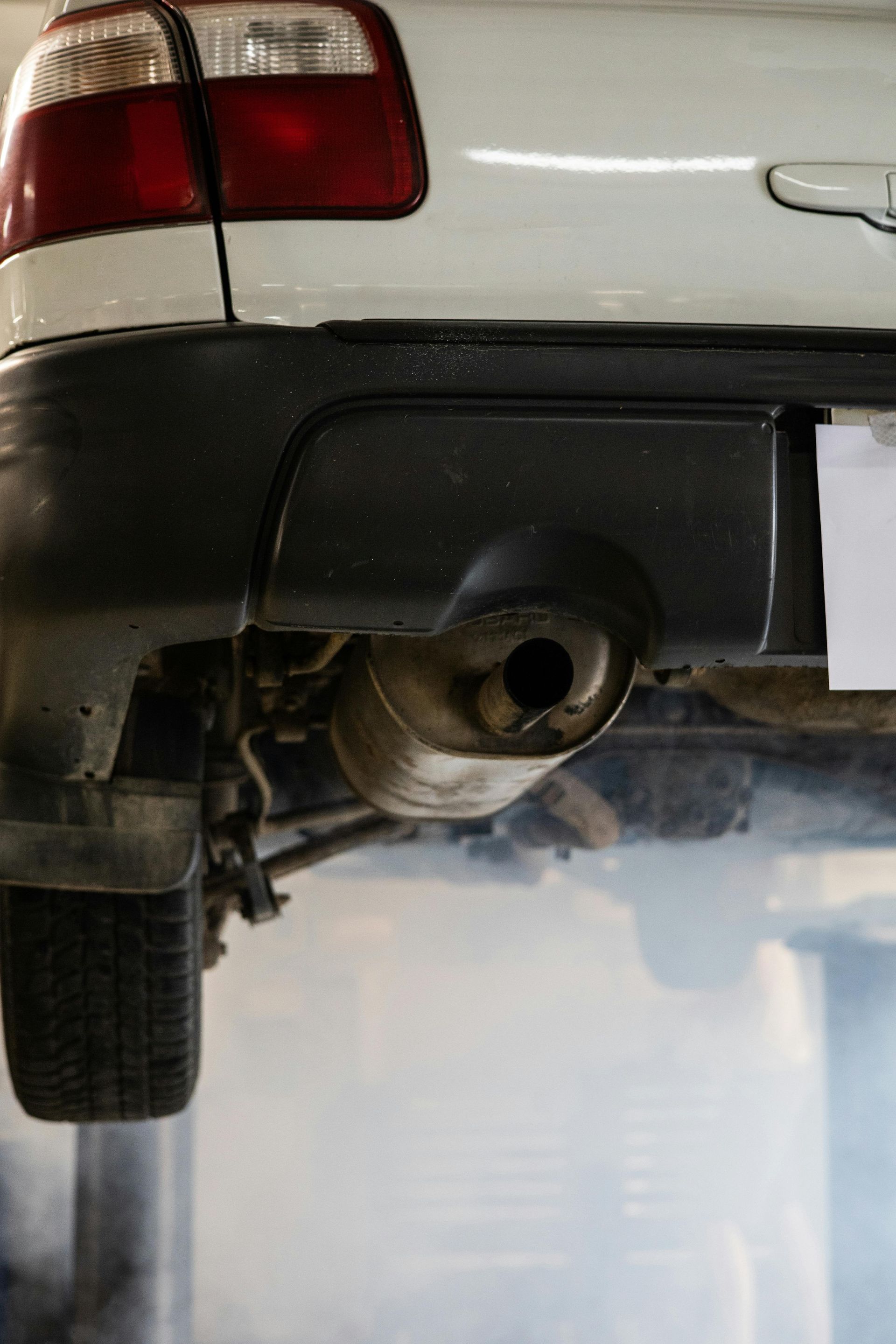
The Full Service represents the cornerstone of preventative automotive maintenance and is universally recommended every 12 months or 12,000 miles, whichever threshold is crossed first. This procedure provides a deep-dive assessment of the vehicle's mechanical and electronic health. A full car service encompasses all elements of an Interim Service, alongside exhaustive inspections of the suspension architecture, steering geometry, exhaust system, and auxiliary drive belts. Crucially, it incorporates a full computerised diagnostic scan to interrogate the Engine Control Unit (ECU) for fault codes, ensuring the vehicle is road-ready and fully prepared for its annual MOT test.
Major Service (In-Depth Service)
Deployed typically every 24 months or 24,000 miles, the Major Service is the most extensive preventative maintenance package available. It includes all operations of the Full Service and introduces the replacement of long-term wear items that critically impact engine efficiency and cabin comfort. Depending on the exact manufacturer schedule and fuel type, a Major Service routinely mandates the installation of new spark plugs, air intake filters, cabin pollen filters, and potentially fuel filters. This intensive intervention is paramount for resetting the vehicle's mechanical baseline and ensuring optimal fuel combustion.
Targeted Service
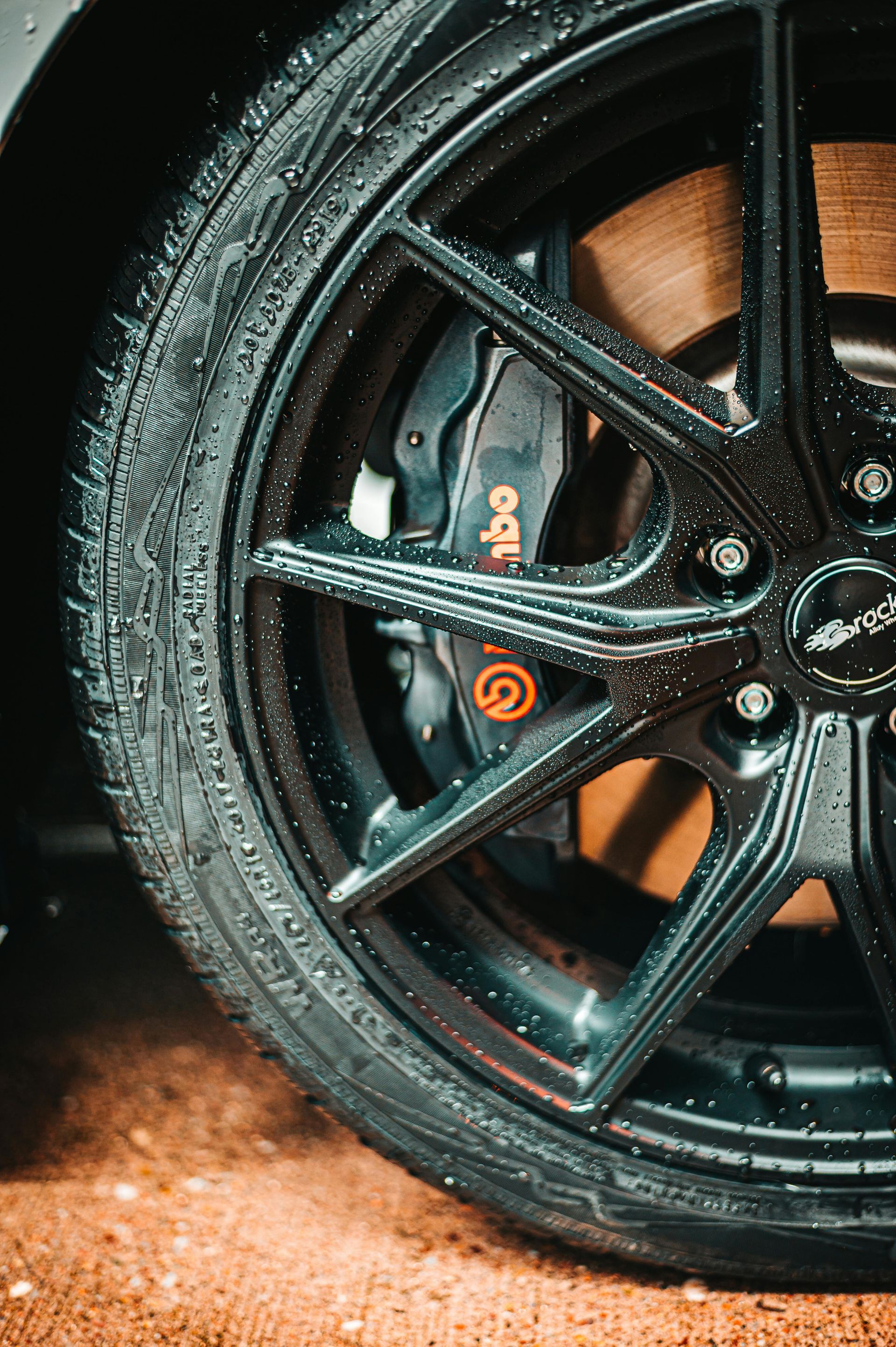
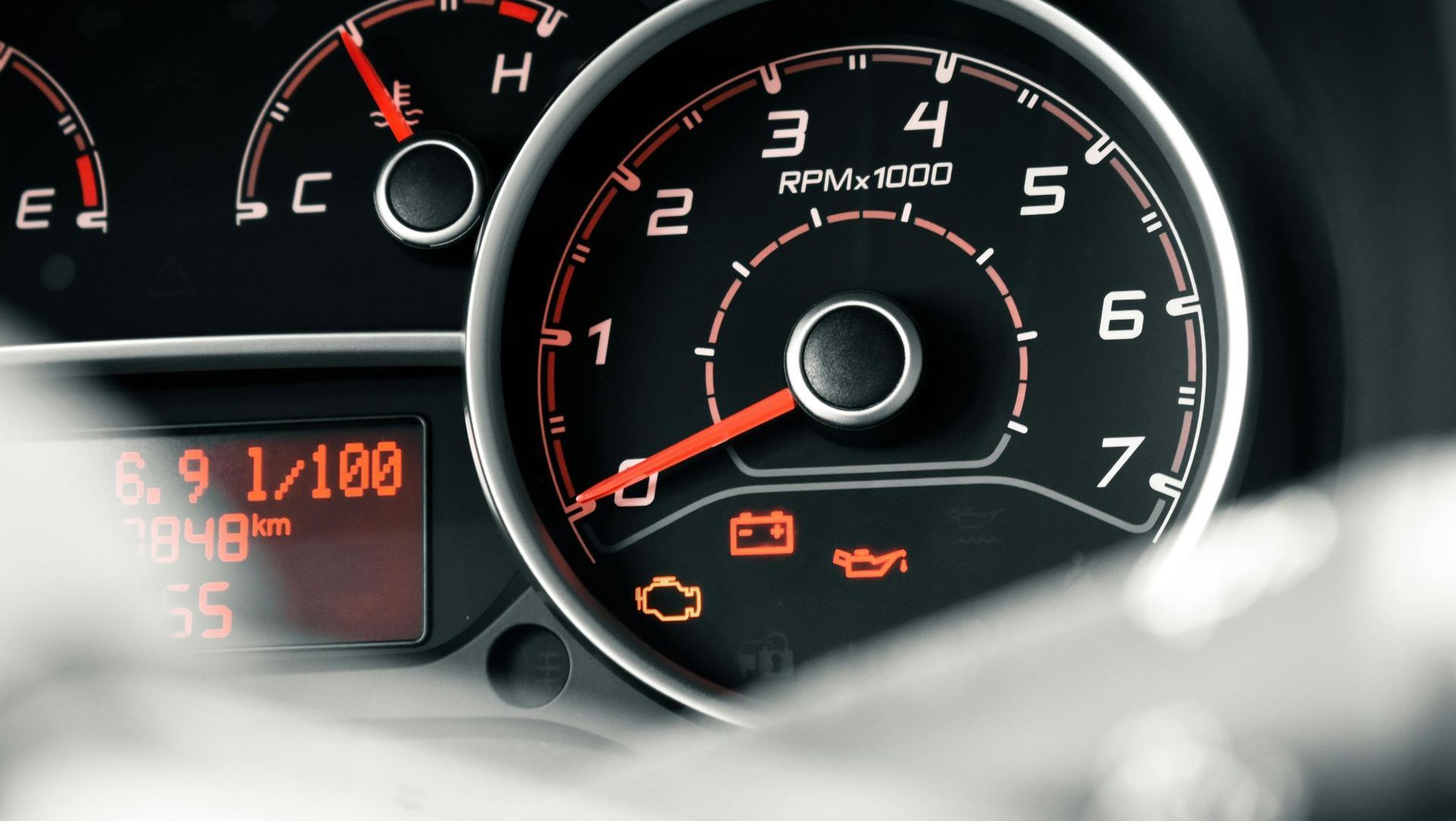
Unlike scheduled maintenance, a Targeted Service is a bespoke, diagnostic-led intervention focused on a specific component or system exhibiting signs of failure. If a vehicle develops pulling steering, unusual suspension knocking, or dashboard warning lights, a Targeted Service isolates the anomaly. Common applications include localised brake system repairs, wheel alignment, wheel balancing to cure high-speed vibrations, or specialised electrical sensor replacements.
The following table synthesises the standard expectations, intervals, and target profiles for each servicing tier:
| Service Tier | Optimal Interval | Core Operations | Target Driver |
|---|---|---|---|
| Interim Service | 6 months or 6,000 miles | Oil and filter change, fluid top-ups, essential tyre and brake inspections. | High-mileage drivers requiring mid-year consumable replenishment. |
| Full Service | 12 months or 12,000 miles | Extensive system checks, advanced ECU diagnostics, suspension and exhaust integrity checks. | Standard annual mileage drivers; ideal for pre-MOT preparation. |
| Major Service | 24 months or 24,000 miles | All Full Service protocols plus spark plugs, air/cabin filters, and deep fluid flushes. | Vehicles crossing biennial manufacturer milestones requiring a complete baseline reset. |
| Targeted Service | As dictated by faults | Issue-specific component diagnostics and isolated repairs (e.g., brakes, tyres, alignment). | Drivers experiencing specific mechanical symptoms, warning lights, or handling defects. |
The Chemistry Behind Scheduled Servicing
The absolute necessity of routine servicing is grounded in the laws of chemistry and thermodynamics. By adhering to strict servicing schedules, motorists actively combat the degradation of vital fluids that ultimately leads to mechanical failure.
Thermal Breakdown and Oil Oxidation
Engine oil operates in an extraordinarily hostile environment, subjected to continuous mechanical shear forces and operating temperatures frequently exceeding 120°C to 150°C. Over time, these conditions trigger thermal degradation and oxidation. Oxidation occurs when hydrocarbon molecules react with oxygen at elevated temperatures, fracturing the lubricant's molecular bonds. This chemical reaction yields acidic by-products and highly viscous deposits known as sludge. Sludge dramatically impedes fluid dynamics, blocking microscopic oil galleries and starving critical components, such as camshafts and crankshaft bearings, of lubrication.
Modern multi-grade oils rely on polymer viscosity modifiers. Under high-speed mechanical stress, these long-chain polymers undergo permanent "viscosity shear," fracturing into smaller pieces and causing the oil to lose its film strength. The choice of oil during a service is equally critical; synthetic base oils exhibit a Viscosity Index often exceeding 160 and demonstrate up to 139% better oxidation resistance compared to traditional mineral oils, ensuring superior shear stability and high-temperature protection. Routine oil changes entirely evacuate these degraded fluids and replenish the engine's anti-wear additive packages.
The Degradation of Hygroscopic Brake Fluid
Braking efficiency relies entirely on the incompressibility of brake fluid, typically DOT 4 in modern most European vehicles.
Virgin DOT 4 brake fluid boasts a dry boiling point of approximately 230°C. As it absorbs water over a standard two-year period, this threshold plummets to a "wet" boiling point of around 155°C. During heavy or sustained braking, the friction generated between the brake pads and discs creates immense thermal loads. If the fluid contains excessive moisture, this heat boils the trapped water, converting it into a compressible gas. This phenomenon, known as vapour lock, manifests as a spongy brake pedal and can lead to catastrophic, instantaneous brake failure. Major servicing intervals ensure this compromised fluid is flushed and replaced, restoring the hydraulic integrity of the braking system.
Environmental Stressors and MOT Compliance
Determining when to service a vehicle also requires an understanding of local environmental stressors and legal obligations. In the UK, winter road maintenance involves the heavy application of road salt and liquid brine to mitigate ice.
While necessary for safe winter commuting across Shropshire, this salt adheres to a vehicle's undercarriage. Brine operates as a highly efficient electrolyte, drastically accelerating the corrosion of steel brake lines, suspension subframes, and exhaust systems. A post-winter Full Service is an essential intervention to thoroughly inspect the underbody for early-stage oxidation, assess the integrity of rubber suspension bushes, and ensure that safety-critical components have not been compromised by winter driving conditions.
This preventative care directly correlates with MOT success rates. DVSA statistics indicate that nearly 40% of cars fail their MOT test annually, generating massive economic friction for drivers. The vast majority of these failures stem from highly preventable issues, such as worn tyres, blown exterior bulbs, degraded suspension joints, and compromised braking systems. By aligning a Full Service with an upcoming MOT test, technicians at Auto Tech Direct can identify and rectify these minor faults prior to the official inspection, ensuring uninterrupted legal compliance and road safety. It is also worth noting that Electric Vehicles (EVs), despite lacking internal combustion engines, still require regular servicing; their heavier curb weights accelerate tyre and suspension wear, and their braking systems remain susceptible to moisture ingress and corrosion.
The Financial Return on Investment of Servicing
In an era of rising living costs, skipping an annual car service is frequently rationalised as a necessary budget cut. However, data proves this to be a severe false economy. The return on investment for a Full Service, averaging between £125 and £350 at an independent garage, operates across two powerful financial vectors: the avoidance of catastrophic repair costs and the retention of vehicle equity.
Mitigating Catastrophic Repair Costs
The financial outlay for preventative maintenance is highly predictable; the cost of deferred maintenance is vast, sudden, and exponential. Neglecting fluid changes and filter replacements forces internal components to operate outside their engineered tolerances, inevitably resulting in premature failure.
The following table demonstrates the severe financial disparity between routine maintenance and the repair costs generated by neglecting that maintenance:
| Neglected Maintenance Protocol | Resulting Mechanical Consequence | Estimated UK Repair Cost |
|---|---|---|
| Engine Oil Change (2+ years) | Heavy sludge accumulation, bearing failure, engine seizure. | £1,500 – £5,000+ (Engine Rebuild/Replacement) |
| Coolant Flush | System overheating, thermal warping, head gasket failure. | £800 – £1,800 (Head Gasket Repair) |
| Brake Fluid Replacement | Internal calliper corrosion, vapour lock, brake failure. | £300 – £700 (Calliper & Fluid Replacement) |
| Air Filter Replacement | Fuel mixture imbalance, MAF sensor damage, injector fouling. | £200 – £500 (Sensor/Injector Clean) |
| Wheel Alignment / Tyre Checks | Uneven tread wear, structural blowout risk. | £300 – £600 (Premature dual tyre replacement) |
Catching early-stage wear during a routine inspection at a mechanic prevents these relatively minor maintenance omissions from escalating into catastrophic, four-figure repair invoices.
Protecting Asset Value and Minimising Depreciation
Depreciation remains the single largest hidden cost of vehicle ownership. A vehicle's service history is the primary metric utilised by both private buyers and commercial dealerships to calculate its residual value. A car presenting a fully documented service history immediately commands a premium on the used market, as it mathematically lowers the mechanical risk for the next owner.
Conversely, the automotive market strictly punishes neglected vehicles. Buyers generally expect an average discount of 19% on vehicles lacking a complete service history. On a vehicle valued at £15,000, this equates to an immediate equity loss of £2,850, a figure that drastically exceeds the cumulative cost of a decade's worth of annual servicing.
Warranty Protection and Block Exemption Regulations
A pervasive myth among owners of new or nearly-new vehicles is the belief that they must return to a franchised main dealership for routine servicing to maintain their manufacturer's warranty. This anticompetitive misconception is entirely nullified by UK consumer protection laws.
To legally safeguard the warranty at an independent facility like Auto Tech Direct, three strict criteria must be satisfied:
- Adherence to the Manufacturer's Schedule: The service must be executed strictly according to the vehicle's specific mileage or chronological schedule.
- Utilisation of Matching Quality Parts: The independent garage must fit Original Equipment (OE) standard parts, or components of certified "matching quality," alongside manufacturer-approved fluids.
- Comprehensive Documentation: The service book must be stamped (or the digital service record officially updated), and an itemised invoice must be generated detailing the specific parts and fluid grades utilised.
Independent garages offer the identical level of advanced diagnostic capability and high-calibre workmanship as main dealerships, but operate at a substantially reduced labour rate. National data indicates dealerships charge an average of £99 per hour for labour, whereas independent garages average £56 per hour. This disparity empowers motorists to achieve savings of 25% to 40% on identical servicing work, whilst keeping their warranties entirely intact.
The Auto Tech Direct Advantage for Local Motorists
For the community in Shrewsbury and surrounding areas, selecting an automotive care provider requires a balance of trust, technical capability, and transparent pricing. Auto Tech Direct stands as a premier example of a highly equipped independent service centre, offering dealership-level diagnostics and repairs without the costs.
Catering to both private motorists and commercial fleets, we prioritise a clear, jargon-free approach to vehicle maintenance. Rather than surprising customers with opaque invoicing, we provide a rapid, accurate estimate, ensuring drivers understand exact servicing and repair costs before any spanner is turned. The facility is fully equipped with state-of-the-art diagnostic technology, enabling technicians to expertly navigate modern electrical system troubleshooting, engine diagnostics, and routine mechanical repairs.
Furthermore, by offering same-day servicing and comprehensive MOT testing, we effectively minimise the logistical friction typically associated with car care. By strictly adhering to manufacturer guidelines, fitting premium components, and maintaining highly competitive local pricing, Auto Tech Direct ensures that every vehicle is optimised for safety, efficiency, and longevity.
Conclusion
The imperative of regular vehicle servicing extends far beyond mere mechanical upkeep; it is a vital practice that guarantees occupant safety, optimises fuel economy, and serves as a robust financial shield against catastrophic mechanical failures and severe asset depreciation.
Whether a vehicle requires an Interim Service to maintain fluid integrity during a high-mileage year, or an exhaustive Major Service to entirely reset its mechanical baseline, adhering to scheduled intervals is the defining characteristic of responsible vehicle ownership. For motorists in Shrewsbury and the wider Shropshire region, partnering with a trusted, technologically advanced independent specialist like Auto Tech Direct guarantees that vehicles receive top-tier, warranty-compliant maintenance. By investing in rigorous, routine servicing today, drivers actively secure a smoother, safer, and substantially more economical motoring experience for the future.
Legal Disclaimer:
The information provided in this blog is for general informational purposes only and does not constitute professional automotive, legal, or safety advice. While we strive to offer accurate and up-to-date content, we make no warranties or guarantees regarding the completeness, reliability, or suitability of the information. Readers should consult a certified mechanic or relevant professional before taking any action based on this content. Under no circumstances shall we be held liable for any damages, losses, or legal claims arising from the use or misuse of the information presented here.